 Skip to content




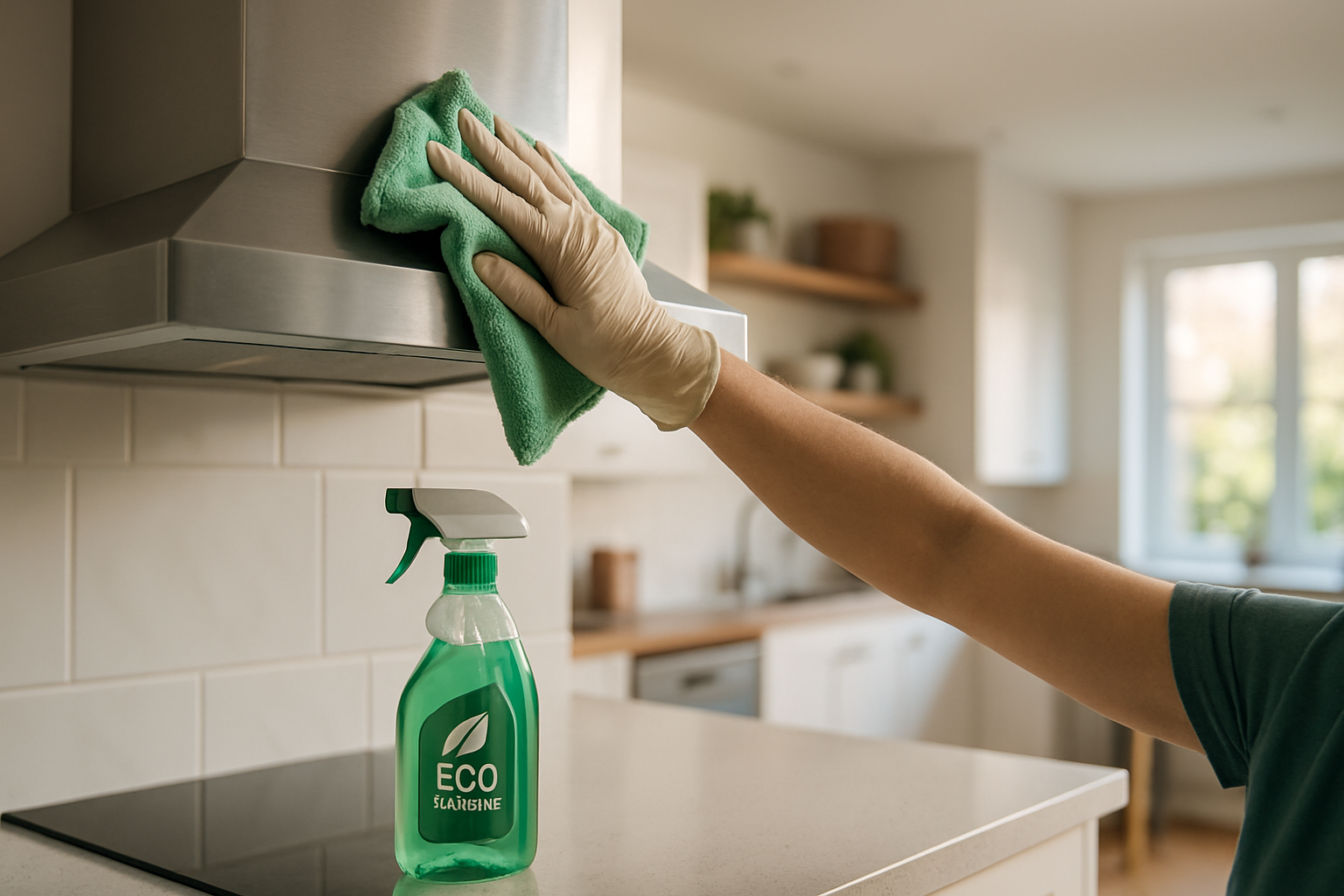
End of Tenancy Cleaning Checklist: Basildon (2026)
Quick Answer
This is the end of tenancy cleaning checklist Basildon tenants and landlords actually use to match the original check-in inventory — not a generic UK “spotless” template. Work top-to-bottom in every room, photograph every surface afterwards with the day’s date visible, and keep dated receipts for any specialist work (carpets, oven, end-of-tenancy invoice). A 1-bed flat in the area takes a professional two-person team 4–6 hours; a DIY tenant typically spends 12–16 hours spread across a weekend.
Personal experience
Bansal’s Cleaning has handled 500+ end-of-tenancy jobs across Essex through 2025–2026; this checklist is the one our teams work to on the day.
It’s the Friday before check-out. The removals van is booked for Saturday morning. The kettle is the only thing still plugged in. And the agent has just emailed asking what time you’ll be available for the inventory walk-through. The extractor over the hob hasn’t been touched in fourteen months, the shower screen base is starting to show that faint orange line that Essex hard water leaves, and somewhere on DPS there’s £1,400 of deposit waiting to be released — or held.
An end of tenancy clean is the documented, top-to-bottom deep clean a landlord or letting agent expects at check-out, measured against the original check-in inventory rather than a generic “spotless” standard. In Basildon specifically, that judgement is shaped by three local realities tenants moving from other regions rarely anticipate: hard-water deposit, C2C commuter cooking patterns, and ageing rental-stock fittings.
So this guide is the room-by-room checklist our team uses in Basildon and the surrounding SS postcodes. It’s not a generic UK template. Instead, it’s built around what local letting agents actually flag here, what inventory clerks photograph first, and the specific way hard-water-zone bathrooms compound deposits over a typical 12-month tenancy.
What do Basildon agents actually look for at check-out?
An inventory check-out is the formal walk-through where the letting agent or independent clerk compares the property’s condition against your signed check-in report. In Basildon, that comparison — not a magazine-finish standard — is what ultimately determines whether a deduction lands on your deposit.
Letting agents and inventory clerks across Basildon use that original check-in report as the comparison point. The Tenant Fees Act 2019 stopped landlords from deducting for fair wear and tear, but they can still deduct the reasonable cost of cleaning if the property is returned in a worse state than at check-in (gov.uk: Tenant Fees Act 2019 guidance). Retrieved 19 May 2026.
In practice, three things make Basildon deductions different from generic UK guides:
- Hard water compounds fast. Basildon sits in Essex & Suffolk Water’s network, where mains hardness in SS postcodes typically runs 260–320 ppm of calcium carbonate (Essex & Suffolk Water area report, 2024). Retrieved 19 May 2026. That’s why your kettle’s element scales over in 8–10 weeks and why showerheads show visible deposit by month three. Inventory clerks know this. The shower screen base, the toilet bowl waterline, and the kitchen-tap aerator are all expected to be descaled at check-out — not just wiped.
- Commuter-rental kitchens get hammered. Most rental stock in Basildon, Laindon, Pitsea, and Vange is housing C2C commuters into Fenchurch Street. Tenants here cook more weekday evenings than the average central-London renter, which means more compounded grease on the extractor filter, the hob splashback, and the oven door glass. We see this consistently across our jobs in the area.
- Older fittings collect more dirt. A significant share of Basildon rental stock is 1960s–70s ex-council with original kitchens and bathrooms — round-edged worktops, hinged extractor canopies, separate bath taps. The grime collects in places newer fittings simply don’t have (the gap between the tap base and the basin, the hinge gap on a pull-out extractor).
Personal experience
Across the Basildon, Laindon, and Pitsea jobs Bansal’s Cleaning has invoiced in the last 18 months, the three single-most-flagged inventory items, in order, have been: oven door interior glass, extractor filter housing, and shower screen base seal. Carpets are fourth.
Beyond the obvious, the seven areas Basildon agents most consistently raise as deduction-worthy:
- Oven door interior, hob, and extractor — the single most-disputed cluster
- Carpet stains and trodden-in dirt in hallway traffic lanes — vacuuming isn’t enough
- Limescale in bathrooms — showerheads, taps, tile grout, toilet bowl waterline
- Window tracks, sills, and frames — easy to miss, easy to photograph
- Inside and tops of kitchen cupboards — especially the high cupboards above the cooker
- Behind and under appliances — fridge, washing machine, freestanding cookers
- Skirting boards, light fittings, and door tops — dust accumulators
If your inventory at check-in said “professional clean,” you’ll need a clean to a documented professional standard at check-out. Keep the invoice — that’s what satisfies adjudicators if there’s a dispute.
Room-by-room checklist
Work top-to-bottom in every room — ceiling cobwebs first, then light fittings, walls, skirting, then the floor. Finish a room completely before walking into the next so you’re not walking dust back into a freshly cleaned space.
Kitchen
Start here. A small Basildon kitchen takes 90–120 minutes; a family-sized one takes 2–3 hours.
- Empty every cupboard. Wipe interiors with hot soapy water, dry, then wipe exterior doors and especially the cupboard tops (run a finger across one — that’s what the inventory clerk does)
- Pull the fridge and freezer out. Defrost, clean inside, wipe the door rubber seals (mould collects here in north-facing Basildon flats), vacuum the condenser coils at the back
- Pull the washing machine out where it’s safe to do so. Wipe the floor and skirting behind it. Open the detergent drawer fully, scrub the dispenser tray, and run a hot service wash with a descaler tablet — Basildon hard water leaves mineral build-up inside the drum even tenants who clean often miss
- Oven, hob, extractor. Degrease the hob first. Then deep-clean the oven: caustic-based or eco-enzyme cleaner, full dwell time (read the label — most need 2 hours minimum). Take the racks out and clean them separately. Wash the extractor filter in hot soapy water, or replace it if it’s disposable
- Descale the kettle and any visible limescale at the sink, taps, and tap aerator. A 30-minute soak in 1:1 citric acid solution clears 12 months of Essex hard-water deposit on a kettle element
- Mop the floor last, working backwards toward the door
Personal experienceIt’s the extractor filter housing — the metal channel where the filter slots in. Carbonised cooking grease cakes here and tenants assume cleaning the filter itself is enough. Inventory clerks shine a torch up into that channel.
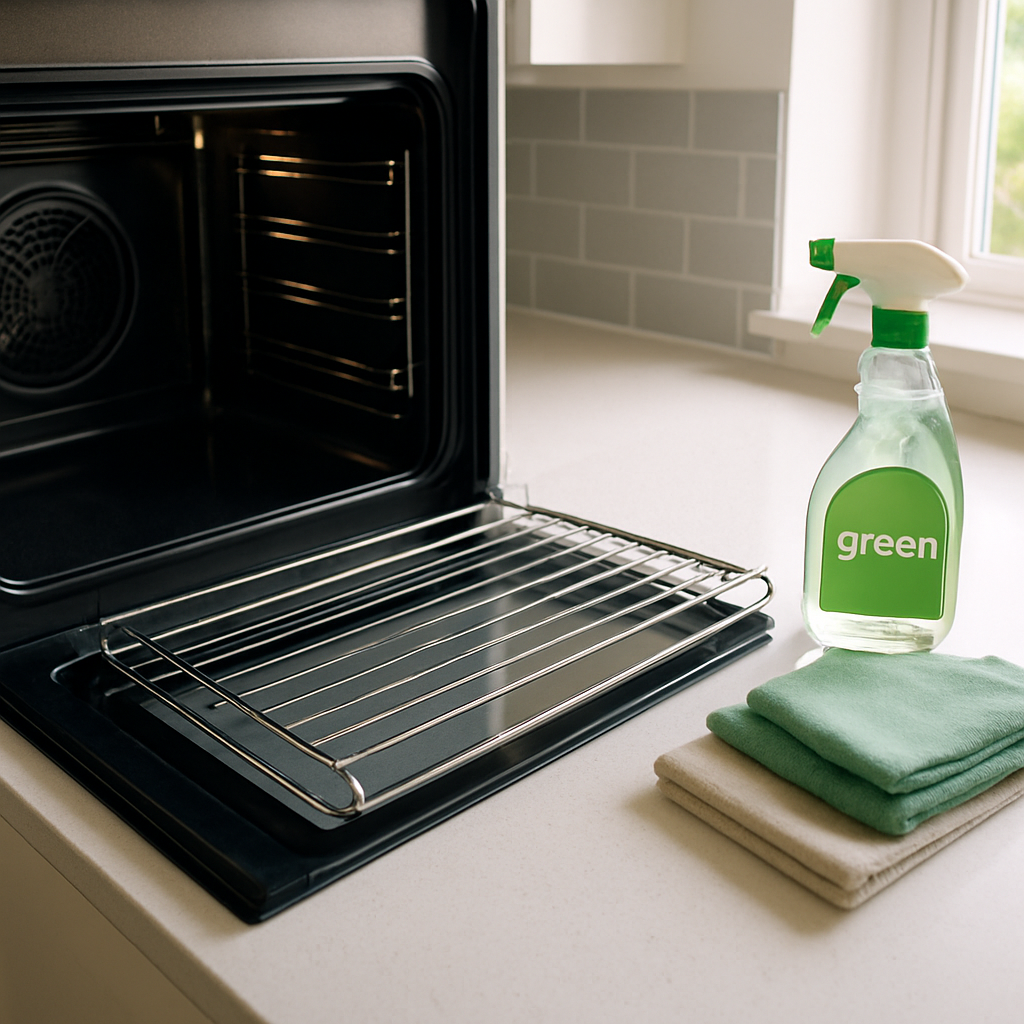
A typical Basildon-kitchen oven mid-clean — caustic-free, full dwell time, racks soaking separately.
Bathroom
Allow 60–90 minutes per bathroom.
- Treat limescale first. Spray a citric-acid or specialist descaler on tiles, showerhead, taps, and screens — leave 20–30 minutes (longer than you think for Essex hard water)
- Bleach grout lines with a soft toothbrush, then rinse thoroughly so no white residue dries on
- Clean the toilet inside (under the rim with a curved bottle brush), outside (including the base and hinge bolts on the floor), and the seat hinges
- Polish mirrors with a microfibre cloth and a tiny amount of glass cleaner — no streaks
- Take the extractor fan cover off, wash it, wipe the housing
- Wash the bath panel and the floor behind the toilet (often overlooked)
- Don’t forget the shower screen base seal. This is the number-one bathroom deduction we see in Basildon jobs. The white silicone strip where the glass meets the tray collects soap scum and limescale; agents photograph it because it shows whether the cleaning was thorough or rushed
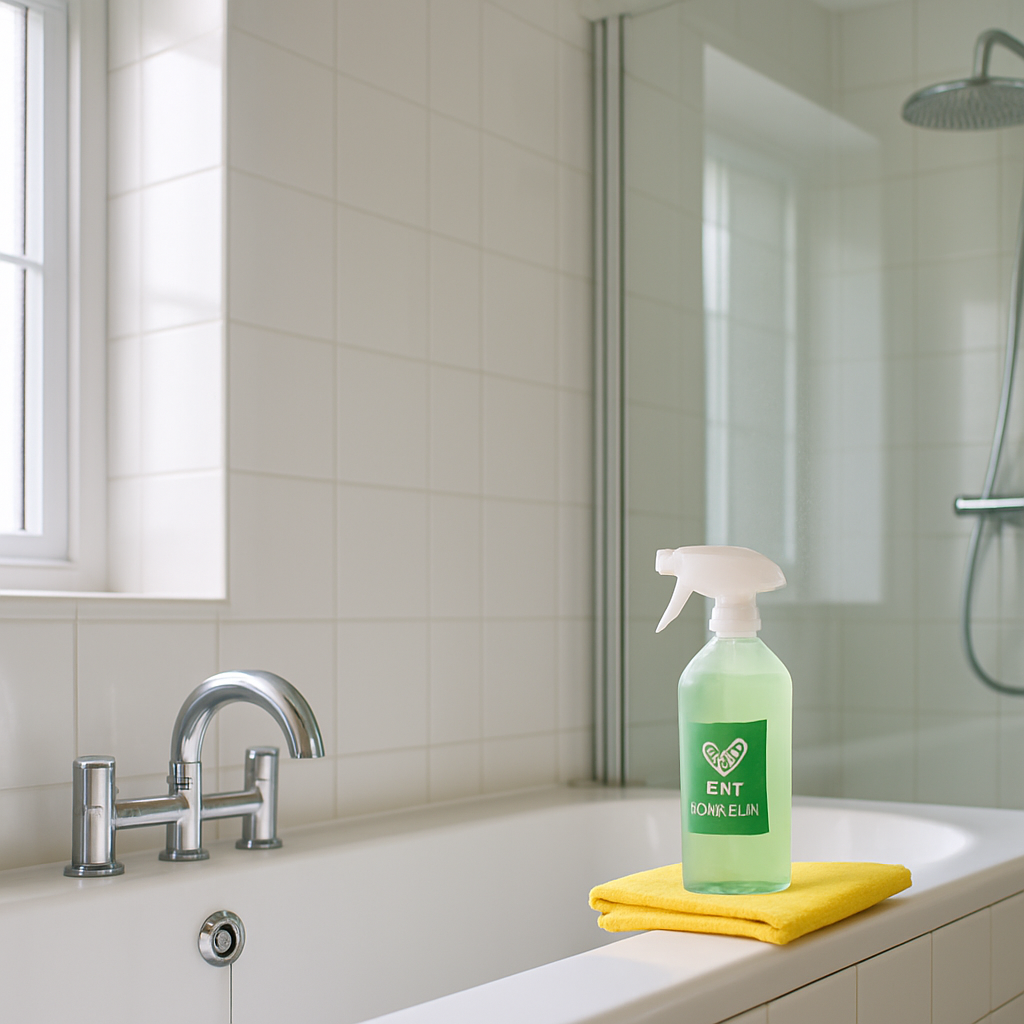
The shower screen base seal — Essex hard water shows up here first. Citric-acid soak, soft toothbrush, rinse, dry.
Living areas and bedrooms
- Vacuum, then steam-clean any carpeted areas. Spot-treat stains with a non-bleaching enzyme cleaner — test on a hidden patch first
- Wipe skirting boards, door frames, the tops of doors, and light switches
- Dust and wipe radiators top, front, and back. The back of the radiator is what an inventory clerk feels with a hand
- Wash windows inside, including frames and tracks. A flathead screwdriver wrapped in cloth gets dirt out of the tracks
- Vacuum upholstery, including under sofa cushions
- Wipe inside fitted wardrobes and built-in drawers
Hallways and stairs
- Vacuum carpet edges with the crevice tool — the wall-to-carpet seam is where dust accumulates and gets photographed
- Wipe the underside of the banister as well as the top
- Clean inside the front-door letterbox flap, the surround, and the door threshold
How much does an end of tenancy clean in Basildon actually cost in 2026?
Professional pricing across the area in 2026 begins at £200 for a 1-bed flat, with oven cleaning included as standard. The price breakdown across 2-, 3-, and 4-bedroom properties is documented in our full Essex cost guide. DIY is realistic if you have a free weekend, the right kit (oven cleaner, descaler, enzyme stain remover, microfibre cloths, plus a carpet machine if relevant), and a 1- or 2-bed property. For a 3-bed house with a full-time job and a contested inventory, hiring in is usually cheaper once you factor in your own time and the deduction risk.
When is hiring a professional actually cheaper than DIY?
The honest comparison, based on what we see week-to-week:
| Factor | DIY (you) | Professional (Bansal’s standard) |
|---|---|---|
| Time on a 1-bed Basildon flat | 12–16 hours over a weekend | 4–6 hours, 2-person team |
| Oven dwell time | Often rushed | Full 2-hour caustic or eco-enzyme dwell |
| Limescale on shower screen base | Wiped, often not descaled | Citric-acid soak + scrub + rinse |
| Carpet hallway lanes | Vacuumed; sometimes hire a Vax | Hot-water extraction (Truvox or Numatic-grade) |
| Inventory clerk satisfaction | Variable | Documented; receipt accepted by all Essex schemes |
| Cost (1-bed) | £35–80 in products + DIY hire | from £200, oven included |
| Risk of deduction | Higher | Lower; deposit-back guarantee on every job |
There’s no universally right answer. A single tenant in a 1-bed flat with two free days and no carpet damage can DIY this fine. A working family in a 3-bed house, a tight inventory, and a holiday booked the day after check-out should hire in. The maths usually favours professional once the deduction risk is in the model.
Where do most Basildon deposits actually get lost?
Most Basildon disputes we see fall into three buckets. All are preventable.
Oven grease. Ovens that look “clean enough” to a tenant routinely fail a professional inspection — caked grease on the door interior glass, around the seal, and on the racks is what agents photograph. Use a dedicated oven cleaner, leave it the full recommended time (most need 2 hours), and use a non-scratch pad on the door glass.
Carpet hallway lanes. Vacuuming isn’t cleaning. Hallway and stair carpets need hot-water extraction or steam cleaning to match check-in condition. DIY hire machines (Rug Doctor, Vax) work for surface dirt; embedded stains or pet odours usually need a professional carpet clean — see our upholstery and carpet service for the equipment we use.
Limescale. Treat showers and taps weekly during your tenancy, not just at move-out. Twelve months of un-treated Essex hard water won’t shift in a single Sunday afternoon — by month eleven you’re fighting compounded mineral deposit, not a wipe-off film.
After the clean: protect yourself
The clean is half the job. The other half is evidence.
- Photograph every room — wide shots and close-ups of oven, hob, bath, shower, the toilet bowl waterline, inside the fridge and freezer, the extractor filter housing
- Date the photos. Most phones embed the date automatically; if your inventory is contested, the timestamp matters
- Email yourself the inventory check-out report as soon as the agent provides it
- Keep all receipts — cleaning service invoice, oven cleaning, carpet cleaning, any specialist work
- If a deduction is raised, request the agent’s evidence in writing before agreeing to anything. Adjudicators rule on documented evidence, not assertions
A deposit protection scheme is a government-backed service that holds your deposit during a tenancy and adjudicates any dispute at check-out — the three approved schemes in England are the Deposit Protection Service (DPS), MyDeposits, and Tenancy Deposit Scheme (TDS). If you disagree with a deduction you can dispute it through whichever scheme your landlord used. Adjudication is free, and most decisions are returned within 28 days (gov.uk: tenancy deposit protection disputes). Retrieved 19 May 2026.
Why do Basildon flats fail inventories more often than central-London ones?
A pattern we see across our work in the area: Basildon flats are flagged for cleaning-related deductions more often than equivalent flats in the City or East London. Three reasons.
First, the kitchen-use intensity. Basildon, Laindon, and Pitsea tenants are mostly C2C commuters into Fenchurch Street. They cook more weekday meals than central-London tenants who eat out more. Over 12 months, that’s hundreds more cooking sessions hitting the same extractor filter.
Second, Essex hard water. SS postcodes are in the moderately-hard-to-hard zone. Limescale on showerheads, kettle elements, and toilet bowls compounds visibly in weeks, not months.
Third, older fittings. A large share of Basildon rental stock is original 1960s–70s kitchens and bathrooms. Grime collects in seams that newer fittings simply don’t have — the joint between a separate hot tap and the basin, the hinge gap on a pull-out extractor, the silicone bead around an older bath.
None of this is news to local agents.
FAQ
How much does end of tenancy cleaning cost in Basildon in 2026?
A 1-bedroom flat in Basildon is priced from £200, with oven cleaning included as standard. A 2-bedroom property begins at £220, a 3-bedroom at £250, and a 4-bedroom or larger at £280. Carpet cleaning is quoted separately — from £50 per room with a minimum call-out of £75. The full price breakdown across Essex is in our Essex cost guide.
Do I legally have to use a professional cleaning company at end of tenancy?
No. The Tenant Fees Act 2019 stopped landlords from requiring a professional clean as a condition of returning your deposit. Your tenancy may still specify the property be returned in a “professional standard” condition — you can clean it yourself to that standard, but the burden of proof is on you if challenged. Keep your photos and receipts.
How long does the clean take for a Basildon flat or house?
A small 1-bed flat is 4–6 hours for a professional 2-person team. A 3-bed house is 8–10 hours. DIY usually takes around 50% longer because you’ll be reading product instructions, sourcing kit, and working without a steamer or industrial vacuum.
Will my agent accept an eco-friendly cleaning product?
Yes, for almost every surface. Plant-based enzyme cleaners are now standard for end-of-tenancy work across Essex and remove grease, limescale, and odours as effectively as harsher chemistry. The one exception is heavily-burnt oven interiors, where a caustic-based product is still faster — but eco-enzymes work given enough time.
What if I can’t be at the property when the cleaners arrive?
Most reputable Basildon cleaning companies, including Bansal’s Cleaning, can collect keys from the letting agent and return them the same day. Ask the agent to extend your inventory window by 24 hours so the clean can happen after you’ve moved out but before check-out.
Can you do a same-day or weekend end of tenancy clean in Basildon?
Subject to availability, yes. Same-day and weekend slots are normally bookable across Basildon, Brentwood, Tilbury, and the wider Essex area with 24–48 hours’ notice. Peak moving weeks (late spring, August) book out faster — message on WhatsApp for the fastest response.
Deep clean vs end-of-tenancy clean — what’s the difference?
A deep clean (from £25/hr) focuses on surfaces and built-up dirt for a property you’re still living in. The end-of-tenancy version is a one-off, top-to-bottom deep clean specifically designed to pass an inventory check — covering inside cupboards, behind appliances, oven interior, limescale removal, and every surface from skirting to door tops. The pricing is fixed (from £200 for 1-bed), not hourly.
Ready to get a free quote?
Moving out of a rental in Basildon, Laindon, Pitsea, Brentwood, or anywhere across Essex this month? Send us a few details and we’ll come back with a written quote — same day, no obligation, deposit-back guarantee included on every inventory job. Our end of tenancy service is bookable from £200 for a 1-bed flat with the oven done as standard.
Bansal’s Cleaning is Safe Contractor accredited, DBS-checked, and a Living Wage Employer. That means two things in practice: you get a documented invoice an adjudicator will accept, and you get a team treated well enough to take care over a job rather than rush it. If your inventory clerks have specific concerns about carpet or upholstery, our carpet and upholstery service is bookable on the same visit. We also cover Brentwood and the wider Basildon area — same standard, same pricing, same documented invoice.
Same-day and weekend slots are normally available with 24–48 hours’ notice.
“We don’t cut corners — we clean them. Every home, every visit, every time.”
— Sam Bansal, Operations Manager
Bansal’s Cleaning · Safe Contractor accredited · DBS-checked · Living Wage Employer · Fully insured · 1,000+ satisfied customers across Essex and East London · 500+ five-star Google reviews.

Related reading: For our complete 2026 guide, see What Inventory Clerks Actually Photograph at Check-Out (Essex 2026).
Related reading: For our complete 2026 guide, see End of Tenancy Cleaning Checklist for Tenants in Brentwood (2026).
Related reading: For our complete 2026 guide, see End of Tenancy Cleaning Checklist for Tenants in Chelmsford (2026).