 Skip to content




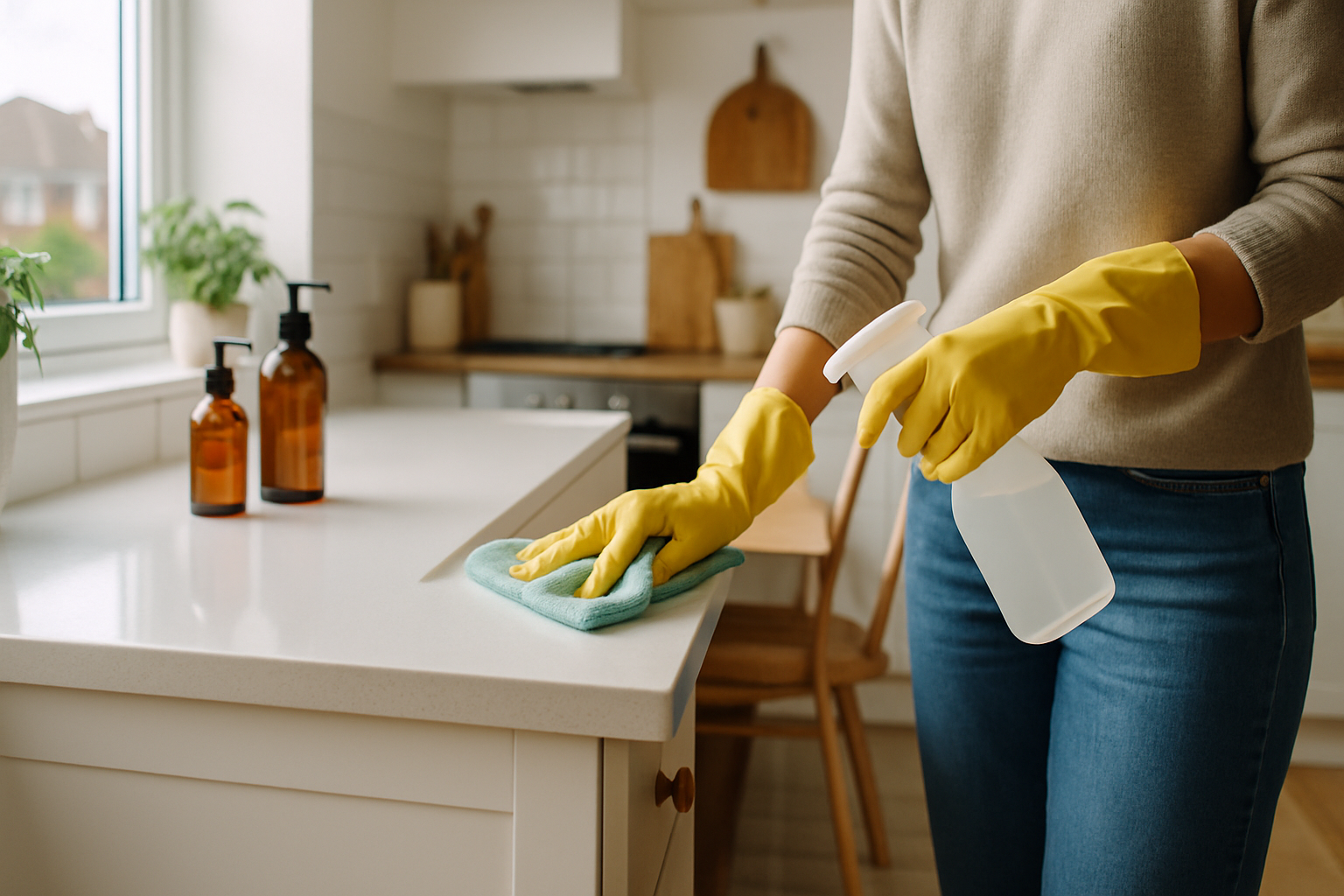
How Often Should You Clean Each Room
Quick Answer:In Essex and East London households, kitchens and bathrooms require the most frequent care because of grease, moisture and bacteria. A typical three-bedroom home needs roughly 3–5 hours of cleaning per week. In addition, budget an extra 2–3 hours monthly for deeper tasks. Consistent routines prevent grime build-up and reduce the need for costly deep cleans later.
Working out a realistic cleaning rhythm feels harder than it should. However, every room has different needs. Some surfaces demand daily attention, while others survive happily for weeks.
Below, I’ve broken it down room by room. Specifically, this is the exact rhythm we recommend to families across Basildon, Chelmsford and Romford. It keeps homes fresh without eating your entire weekend.
Why cleaning frequency matters
Cleaning frequency refers to how often a task is repeated to keep a space hygienic and pleasant. Importantly, getting it right saves time and money.
Neglected grime gets harder to shift. Limescale hardens, and grease bakes on. Therefore, a little regular effort beats one exhausting blitz.
An oven left uncleaned for a long period builds up carbonised grease and burnt-on residue that a routine wipe will not shift. Racks, shelves and door glass then need prolonged soaking in a degreaser followed by scraping, so the clean takes considerably longer than on an oven that is cleaned regularly.
Notably, routine cleaning also protects your health. Bacteria are microorganisms that thrive on damp, food-soiled surfaces. Kitchens and bathrooms harbour the most, so they deserve the closest attention.
We’re a SafeContractor-approved business. In addition, we’re an NHS Approved Supplier for Essex hospitals including Basildon, Broomfield and Southend. Therefore, we clean homes to clinical hygiene standards, not just surface tidiness.
The kitchen: your highest-priority room
The kitchen collects grease, crumbs and bacteria faster than anywhere else. Consequently, it needs the most frequent care.
Daily tasks keep things manageable. Wipe down worktops after cooking, then wash or load the dishes. In addition, rinse the sink and sweep the floor.
Weekly, go deeper. Specifically, scrub the hob, wipe cupboard fronts, mop the floor and disinfect the bin. Also check the fridge for anything past its date.
Monthly, tackle the big jobs. Deep clean the oven and degrease the extractor fan. Then wipe inside cupboards and descale the kettle.
Descaling means removing hard mineral deposits left by water. Notably, Essex sits in a hard-water region, so limescale builds quickly on kettles, taps and showerheads.
The bathroom: moisture and bacteria control
Bathrooms breed mould and limescale because of constant moisture. In particular, showers and grout need regular attention.
Here’s a simple bathroom checklist to follow:
- Daily: wipe the basin, taps and toilet seat; hang towels to dry.
- Weekly: clean the toilet bowl, scrub the shower, mop the floor and wipe mirrors.
- Monthly: descale tiles and showerheads, clean grout, and wash bath mats.
- Quarterly: check extractor fans and reseal any tired silicone.
Mould is a fungus that grows in damp, poorly ventilated spaces. However, wiping shower screens after use dramatically slows its return.
A bathroom that smells musty is often a ventilation problem rather than a surface one. Extractor fan covers and grilles collect dust, restricting airflow so moisture lingers after showers. Cleaning the cover and grille is usually a quick job and can clear a smell that has persisted for a long time.
What cleaning rhythm suits your bedrooms?
Bedrooms feel low-maintenance, but they gather more than you’d think. Specifically, skin cells, dust and allergens collect in bedding and carpets.
Weekly, change your sheets and vacuum thoroughly. In addition, dust surfaces including lamps and headboards. A clean bedroom genuinely improves sleep quality.
Monthly, rotate the mattress and clear under the bed. Then wash pillow protectors and any decorative cushions.
Dust mites are tiny creatures that feed on dead skin and trigger allergies. Therefore, hot-washing your bedding weekly keeps their numbers low.
Notably, if anyone at home suffers from asthma, frequent bedding washes matter even more.
Living rooms and shared spaces
Living rooms take heavy daily use, yet they hide dirt well. Therefore, don’t be fooled by how tidy they look.
Daily, plump cushions and clear away clutter. In addition, wipe any spills straight away to prevent staining.
Weekly, vacuum carpets and upholstery, then dust surfaces and clean the coffee table. Importantly, don’t forget remote controls and light switches, which harbour surprising amounts of bacteria.
Monthly, wipe skirting boards, clean behind the sofa and tackle window sills. In addition, consider professional upholstery or carpet cleaning every 6–12 months.
Upholstery refers to the padded, fabric-covered parts of furniture. Over time, it absorbs odours, dust and spills.
A room-by-room cleaning schedule table
Here’s the whole home summarised. Pin this somewhere handy.
| Room | Daily | Weekly | Monthly |
|---|---|---|---|
| Kitchen | Worktops, dishes, sink | Hob, floor, bin, fridge check | Oven, extractor, cupboards |
| Bathroom | Basin, toilet seat, towels | Toilet, shower, floor, mirrors | Grout, showerheads, bath mats |
| Bedroom | Quick tidy | Bedding, vacuum, dust | Mattress rotate, under bed |
| Living room | Cushions, spills | Vacuum, dust, surfaces | Skirting, behind furniture |
| Hallway | Shoes, post | Vacuum, mop, mirror | Doors, light switches |
This schedule suits an average family home. However, adjust it for pets, children or smaller flats.
How regularly should the whole house be deep cleaned?
A deep clean is a thorough, top-to-bottom clean covering areas that routine work skips. Specifically, think inside cupboards, behind appliances and along skirting boards. However, busy households with pets may need one more often. It clears the build-up that daily wiping simply cannot reach. Therefore, it keeps your home genuinely hygienic rather than merely tidy. Notably, we schedule these seasonally so nothing gets forgotten.
In addition, certain moments always call for extra attention. Moving house is the obvious one. Therefore, our end of tenancy cleaning service comes with a deposit-back guarantee.
Spring is another natural trigger. In addition, you can read our guide to spring cleaning your home for a full room-by-room approach.
Cleaning frequency: DIY versus professional
You don’t have to choose one or the other.
| Approach | Best for | Frequency | Rough cost |
|---|---|---|---|
| DIY daily | Tidying, dishes, quick wipes | Every day | Your time only |
| DIY weekly | Vacuuming, bathrooms, bedding | Weekly | Your time only |
| Professional regular | Weekly or fortnightly upkeep | Weekly/fortnightly | From £15–£20/hr |
| Professional deep clean | Ovens, carpets, move-outs | Quarterly or one-off | £150–£300+ |
Our regular domestic cleaning covers weekly upkeep. Meanwhile, our deep cleaning service handles the quarterly heavy work.
Every one of our cleaners is DBS-checked, so you can trust who’s in your home. DBS-checked means background-screened through the Disclosure and Barring Service.
Factors that change your cleaning schedule
No two homes clean at the same pace. Therefore, several things push frequency up or down.
- Pets shed hair and bring in dirt. Vacuum daily rather than weekly.
- Children create more spills and clutter. Kitchens and floors need extra attention.
- Allergies demand frequent dusting and bedding washes.
- Home working increases wear on living spaces and kitchens.
- Hard water in Essex speeds up limescale, so descale more often [Source: DEFRA Water Hardness Data].
Specifically, dog owners in Romford often ask us to visit weekly rather than fortnightly. The hair simply builds too fast otherwise.
Building a routine that actually sticks
The best cleaning schedule is one you’ll follow. However, overly ambitious plans fail fast.
Start small. Specifically, pick three daily habits and stick to them for a fortnight. Wiping worktops, doing dishes and a quick tidy work well.
Then layer in weekly tasks. For example, assign one room per day if a full weekly blitz feels overwhelming. Monday bathrooms, Tuesday bedrooms, and so on.
However, if life gets too busy, that’s exactly where we help. In addition, our office and home cleaning team slots into your routine without disruption.
We hold £10M public liability insurance. In addition, we carry a 4.6★ rating from 242 Google reviews. Therefore, you get real peace of mind when someone’s cleaning your family home.
Kitchen and bathroom: the non-negotiables
If you only nail two rooms, make them these. Notably, they carry the highest hygiene risk and the most visible grime.
A neglected kitchen invites pests and food-borne illness. Meanwhile, a poorly kept bathroom breeds mould and limescale that’s expensive to reverse.
Therefore, prioritise daily kitchen wipes and weekly bathroom scrubs above everything else. Bedrooms and living areas can flex; hygiene rooms cannot.
For rentals, this matters even more. In particular, landlords and letting agents inspect these rooms first. Our Basildon cleaning services team sees this constantly during check-outs.
When to call in the professionals
Some jobs simply need experience and proper equipment. Notably, ovens, carpets and post-renovation dust top that list.
If you’re moving out, don’t risk your deposit. However, if you’re moving in, start fresh with a clean slate. Our Chelmsford cleaning services cover both across the county.
Booking is simple. Therefore, message us on WhatsApp or call, and we’ll build a plan around your home and budget.
Frequently asked questions
How often should you clean your house properly?
What is the right cleaning frequency for a kitchen?
Wipe surfaces and wash dishes daily. Clean the hob, sink and floor weekly. Deep clean the oven, extractor and fridge monthly to control grease and bacteria.
How frequently should a bathroom be cleaned?
Wipe the sink and taps daily, clean the toilet and shower weekly, and descale tiles, grout and showerheads monthly to prevent limescale build-up.
How often should bedrooms be cleaned?
Change bedding weekly, dust and vacuum weekly, and wash pillows, mattress protectors and under-bed areas every one to three months.
Should I hire a professional cleaner or do it myself?Handle daily tidying yourself and book a professional for weekly or monthly deep cleans, especially before events or end of tenancy.
How often should carpets be professionally cleaned?
Ready for a cleaner home without the effort?
You now have a clear, room-by-room rhythm to follow. Therefore, start with the kitchen and bathroom, then build outward.
If you’d rather hand it over, we’re here. Bansal’s Cleaning serves families right across Essex and East London, from Stratford to Chelmsford.
Call 07424 330020 or message us on WhatsApp today. In addition, we’ll design a cleaning schedule that fits your home, your family and your budget.
Reviewed by Sam Bansal, Operations Manager.
Sources
- https://www.gov.uk/government/organisations/department-for-environment-food-rural-affairs
Written by Sam Bansal, Operations Manager, Bansal’s Cleaning.